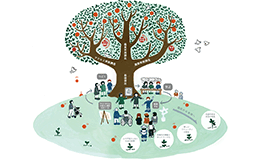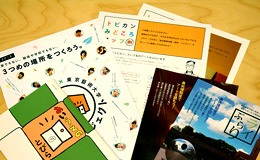




とびらプロジェクトに関わる
人々へのインタビューと、
とびラーが取材した藝大生
インタビュー記事を集めました。


2016.07.23
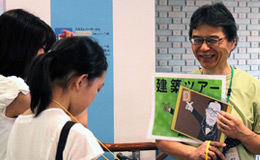
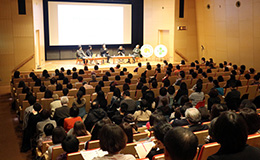
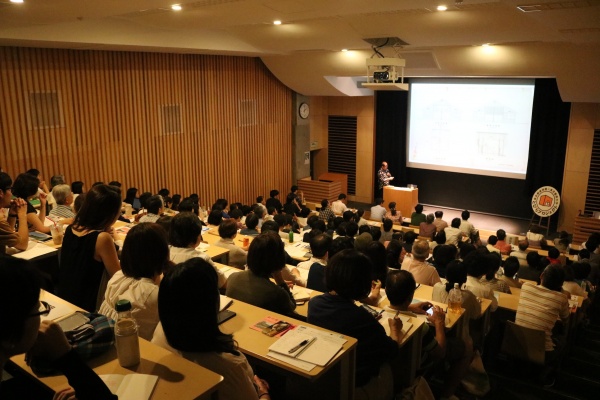
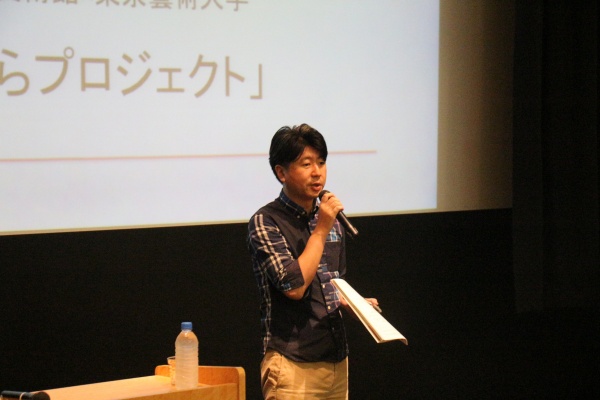
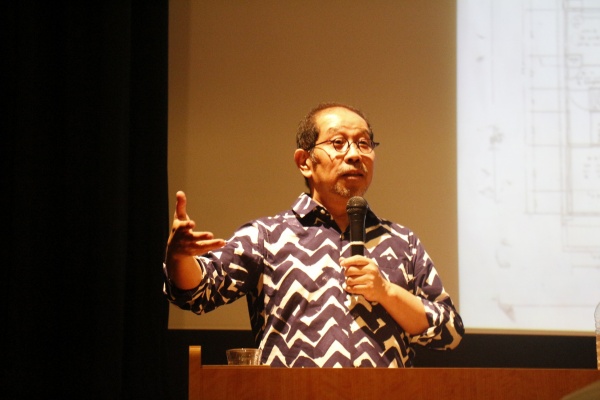
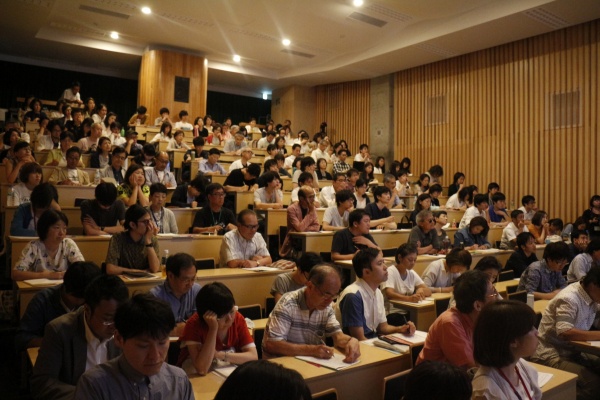
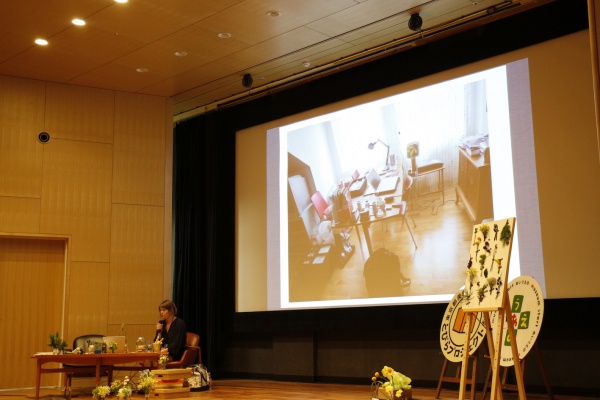
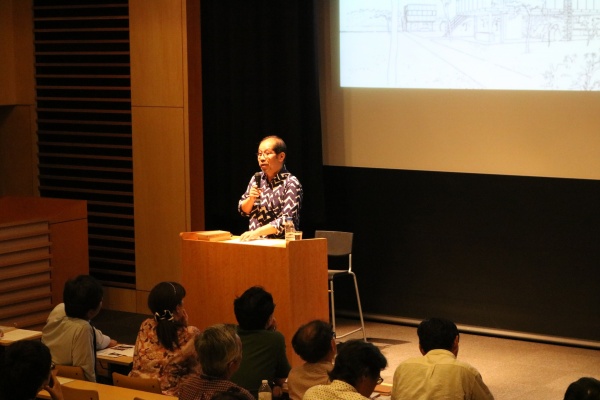
建築実践講座の第2回目は公開講座として開催しました。
当日の様子はこちら→
オープン・レクチャーvol.6「青木淳が語る前川國男-中心のない建築:彼の目指したデザインとは?」
2016.07.22
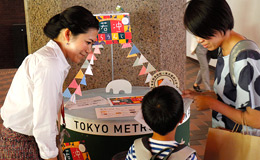
7月22日金曜日の夕方、都内のある児童養護施設にアート・コミュニケータ(とびラー)6名とお邪魔しました。今年度からスタートした全2回のインクルーシブ・プログラム「ミュージアム・トリップ」の1回目です。
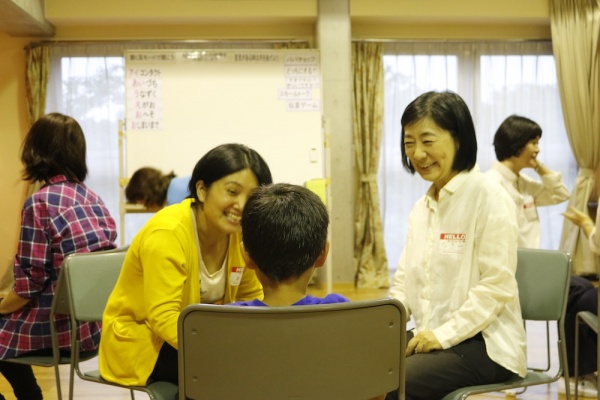
プログラムの様子はこちら→
(「Museum Start あいうえの」ブログに移動します。)
2016.07.11

よく晴れた日曜日、2016年7月10日、上野公園の青空の下で本年度のキックオフ・プログラム<ミュージアム・トリップ>が始まりました。
「ミュージアム・トリップ」とは、Museum Start あいうえので本年度より取り組み始めたインクルーシブ・プログラムです。児童養護施設やファミリーホーム、経済的に困難なご家庭のこどもを支援している団体、そして海外にルーツを持ちカルチャー・ギャップなどを抱えるこどもを支援する団体を対象に実施しています。
この日参加してくれたのは台湾慈済日本会東京支部人文教室に通うみなさん。日本に在住する外国人の方々を広く受け入れ支援している慈善団体が土日に開催している教室の夏休み特別プログラム。
この教室に通う台湾、中国、韓国、オーストリア、そして日本も含めた多様な国々にルーツをもつこどもたちが28名、その保護者の方21名と団体のボランティア・引率の方々22名 計43名のおとなたちが参加してくださいました。一緒に活動するアート・コミュニケータ(以下、愛称:とびラー)22名とスタッフ8名を加え、総勢101名もの活動体となりました。
プログラムの様子はこちら→
(「Museum Start あいうえの」ブログに移動します。)
2012.07.28
The 3rd Practical Application Course on Architectural Tours took place. All of the TOBIRA candidates (hereafter: TOBIKOs) submitted homework from the previous class titled “Making a Tour Course,” which each individual had prepared for the curator in charge, Ms. Kono. This time, Ms. Kono selected three ideas from the submitted course plans, and those three TOBIKOs actually presented their mock tours. While including the methods and compositions of tours they had learned so far, the history of TOBI, and characteristics of the building, they described the Museum in their own way.
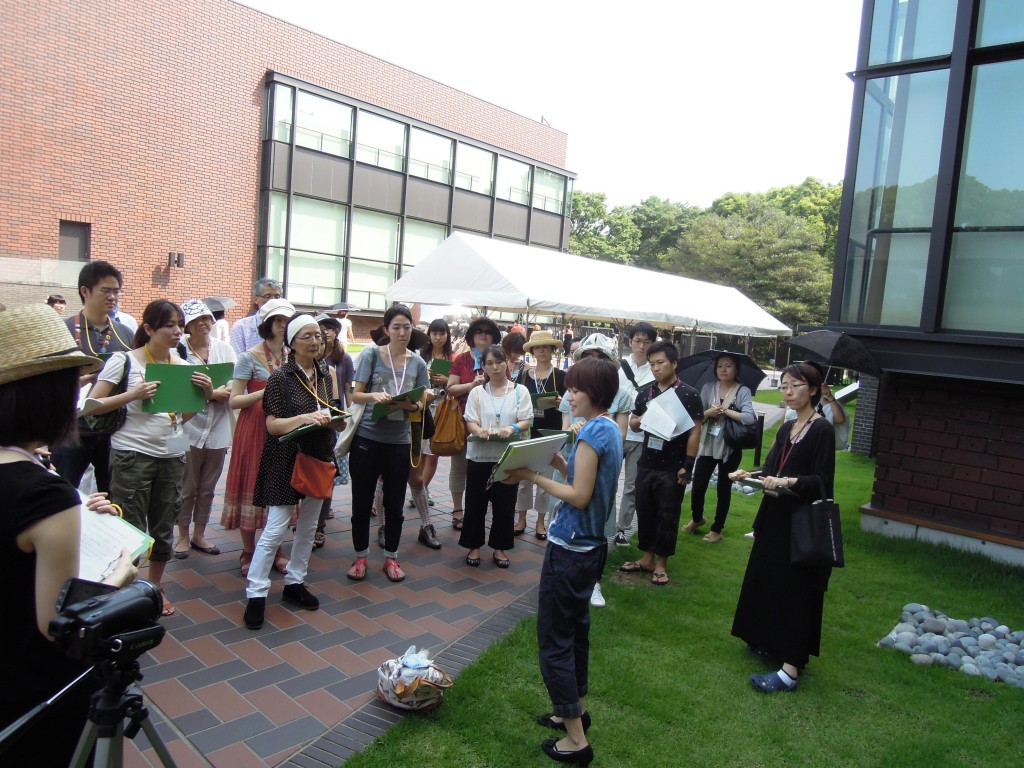
The tours were not just oral explanations; each tour had its own creative twists and there were some “aha” moments. For example, they utilized a sketch book to illustrate clearly and showed an actual broken piece of the outside wall from the renovation that ended the previous year.
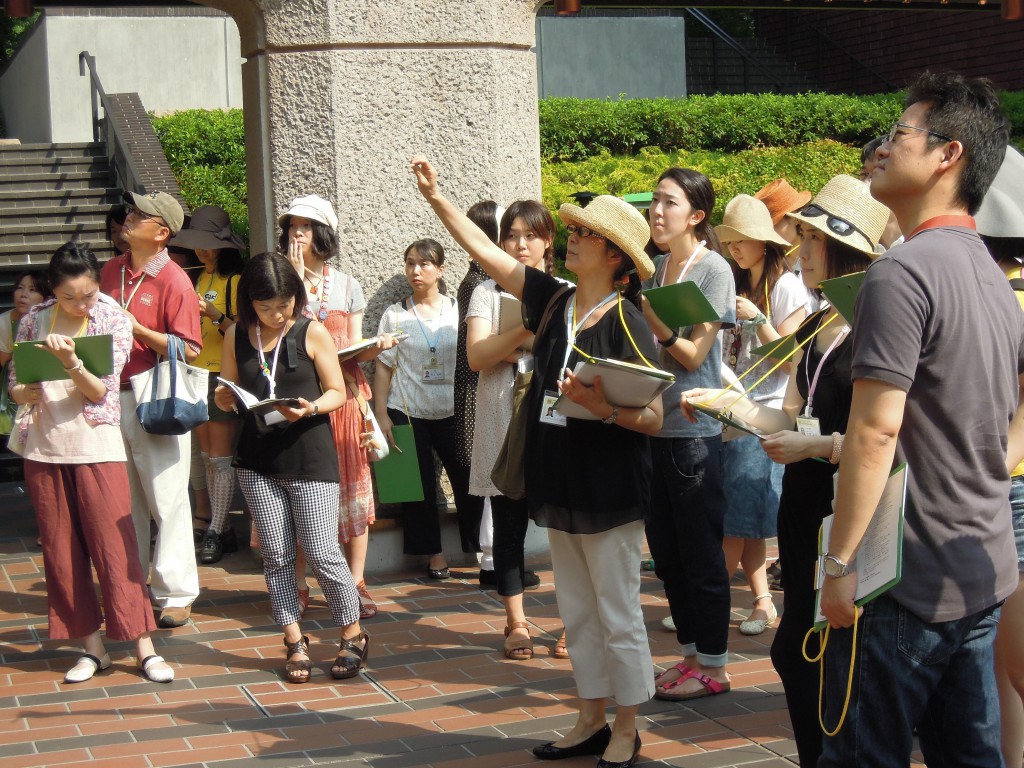
The content of Course included TOBI’s signature exterior wall of red brick-like tiles, but also included the inside structure of the Museum as well.
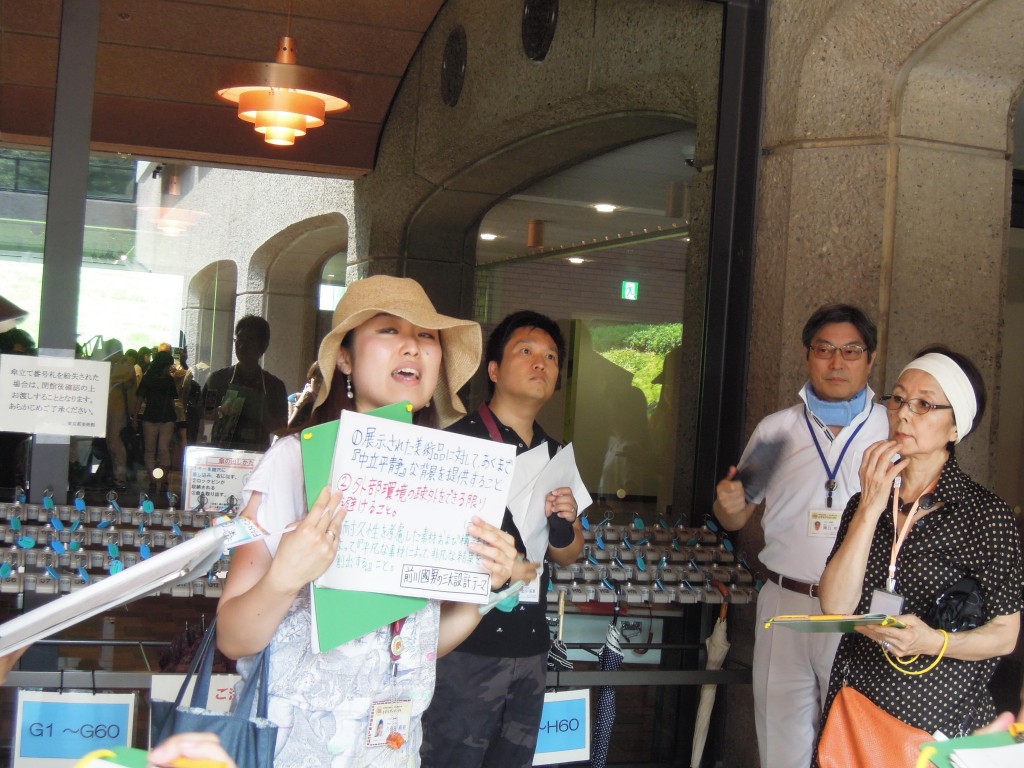
Walking around the building while actually listening to the tour conductor’s stories allowed us to experience firsthand the ambiance of various locations in TOBI. There were things the participants themselves discovered and noticed as well.
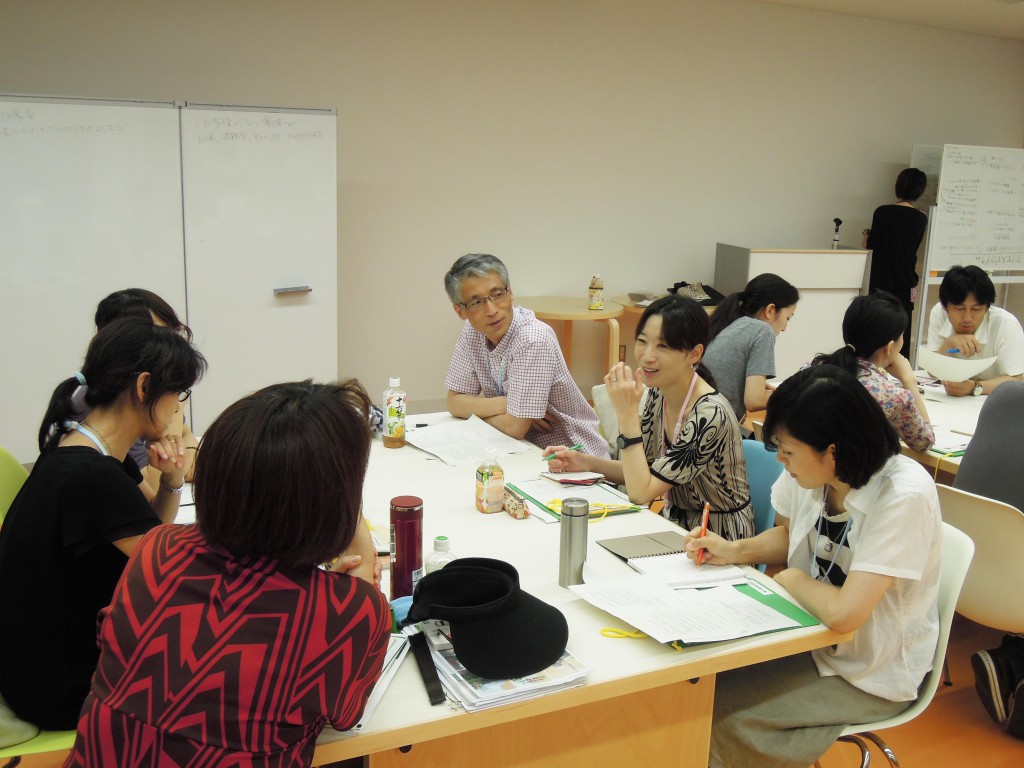
After the mock tours, the participants all discussed the tours’ positive aspects and points of improvement. In the future, by utilizing the feedback from the mock tours they created themselves, they will develop courses and contents for Practical Application Architecture Tours.
I wonder what kinds of tours will be created. We can all look forward to them! (Iku Ōtani, TOBI Gateway Project Assistant)
2012.07.23
The Practical Application Course “School Monday (Art Viewing through Conversation)” has started. The class invited Ms. Norie Mitsuki, an art planner of the non-profit organization Art Resources Development Association, as an instructor. Attendees learned about “Savoring Art Together – Viewing” while mixing in a practical approach.
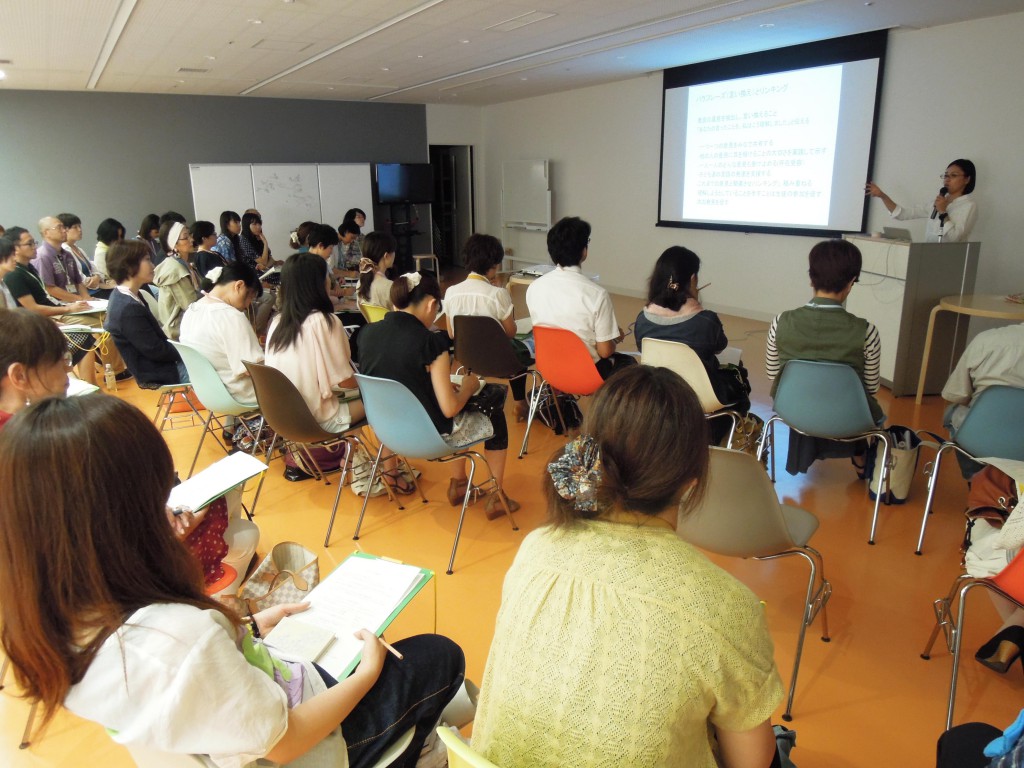
First, there was a lecture given by the curator in charge of “School Monday,” Ms. Inaniwa, regarding the overview of this Practical Application Course and the current status of art viewing education in elementary and junior high schools.
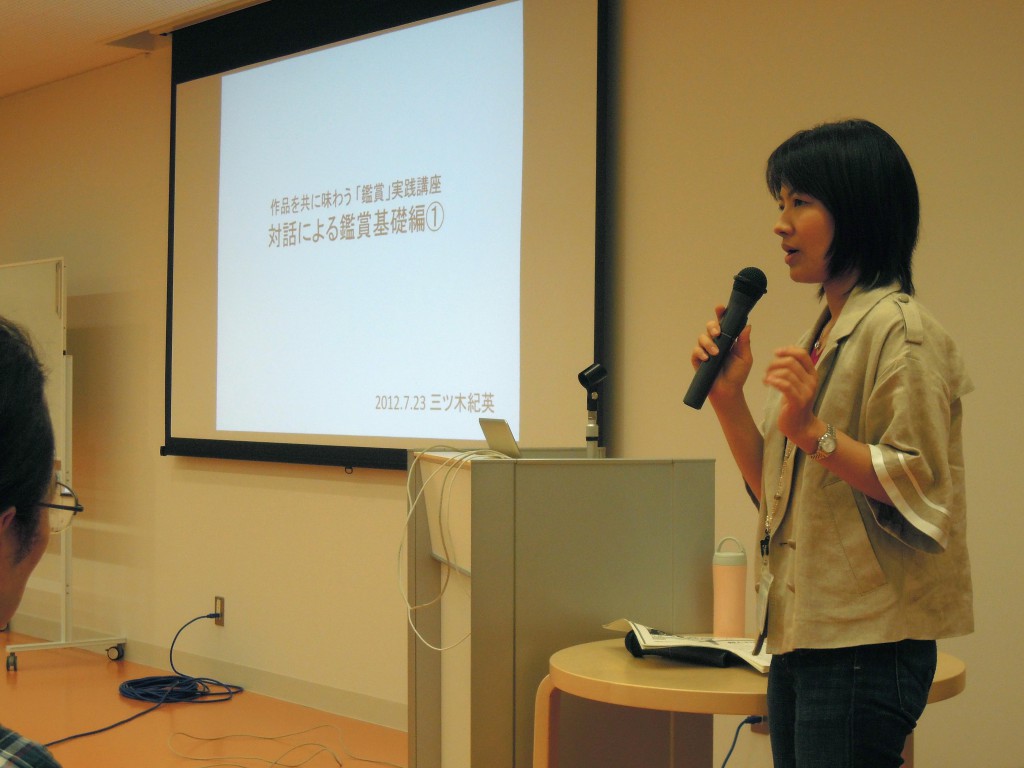
School Monday is a program for school teachers and children started by the Tokyo Metropolitan Art Museum (hereafter: TOBI) spurred by the museum’s renovation in April 2012. On days when the Museum is closed, we offer special art viewings, which are difficult to offer at schools due to the high volume of regular museum visitors. Also, this program provides support for children to become the main focus and be able to view art while freely forming opinions and thoughts, and then sharing them with others through discussion.
In recent years, curriculum guideline levels have been revised in elementary and junior high schools. In elementary school arts and crafts and junior high school art classes, collaboration with museums and other places for art viewing activities is indicated more clearly than before. Therefore, we from the museum side are thinking of creating better art viewing opportunities by collaborating with schools as well. One of the specific programs is an art viewing class through “conversation.” Art viewing through conversation consists of forming groups of approximately 10 students and holding discussions. We will need facilitators to assist the conversations depending on the number of students. With the aim of the TOBIRAs doing this facilitator role in the near future, currently TOBIRA candidates (herein: TOBIKO) will build up a practical application training curriculum of 14 classes this year.
Finally, the class moved on to this course’s practical contents. From the instructor Ms. Mitsuki, there was a brief summary of the VTS (Visual Thinking Strategy), which is the center of art viewing through conversation.
This VTS (Visual Thinking Strategy) is a method used to deepen the way we look at art. We start by looking at a piece closely – not relying on any art history knowledge – and encouraging people to think individually, asking “What is it?” as a method to extract the various opinions. It has an effect of cultivating the viewers’ “ability to observe,” “ability to think critically,” and “ability to communicate.” It was developed and spread by Philip Yenawine, former Director of Education at the Museum of Modern Art (MOMA) in New York, and cognitive psychologist Abigail Housen. The foundation the VTS style of art viewing though conversation was introduced to Japan in the ’90s. You might think that looking at an art piece while talking to someone is a natural thing we do every day, but the point of this VTS method is to create a “conversation” constructed by opinions as opposed to simply having a “conversation.”
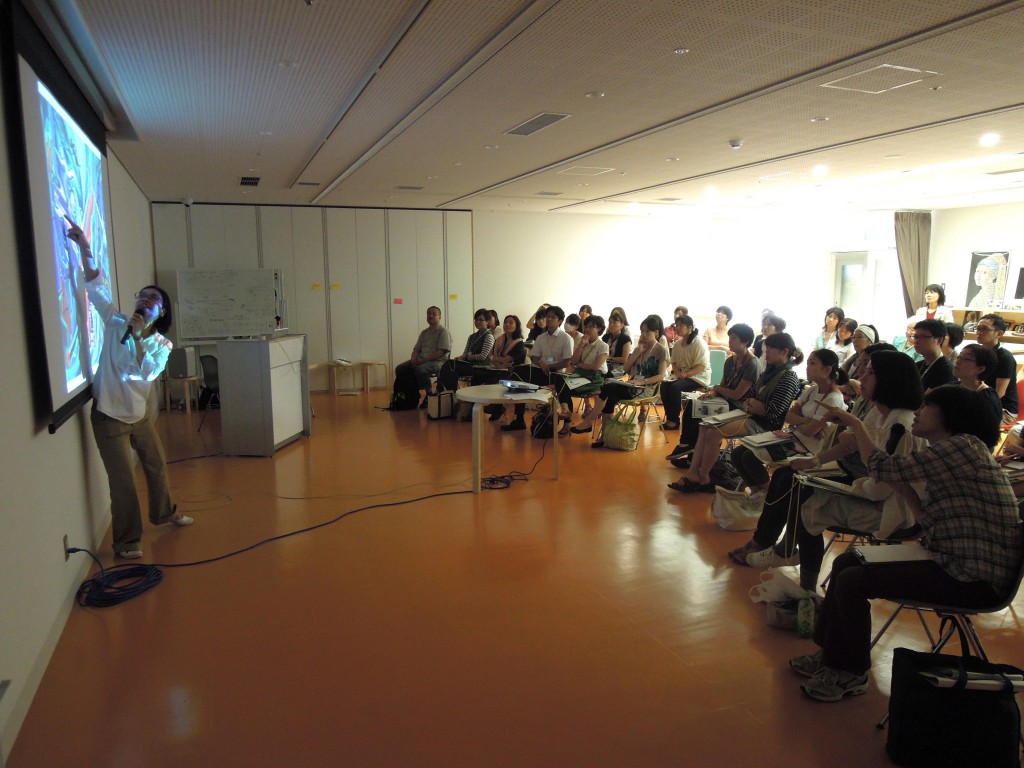
After the summary explanation, participants actually experienced the VTS. They looked closely at the paintings and sculptures and other things projected on the screen and spoke freely about what they had noticed and discovered with the assistance of Ms. Mitsuki as our facilitator. Various opinions were exchanged about things such as motifs of the pieces drawn and impressions they got from them.
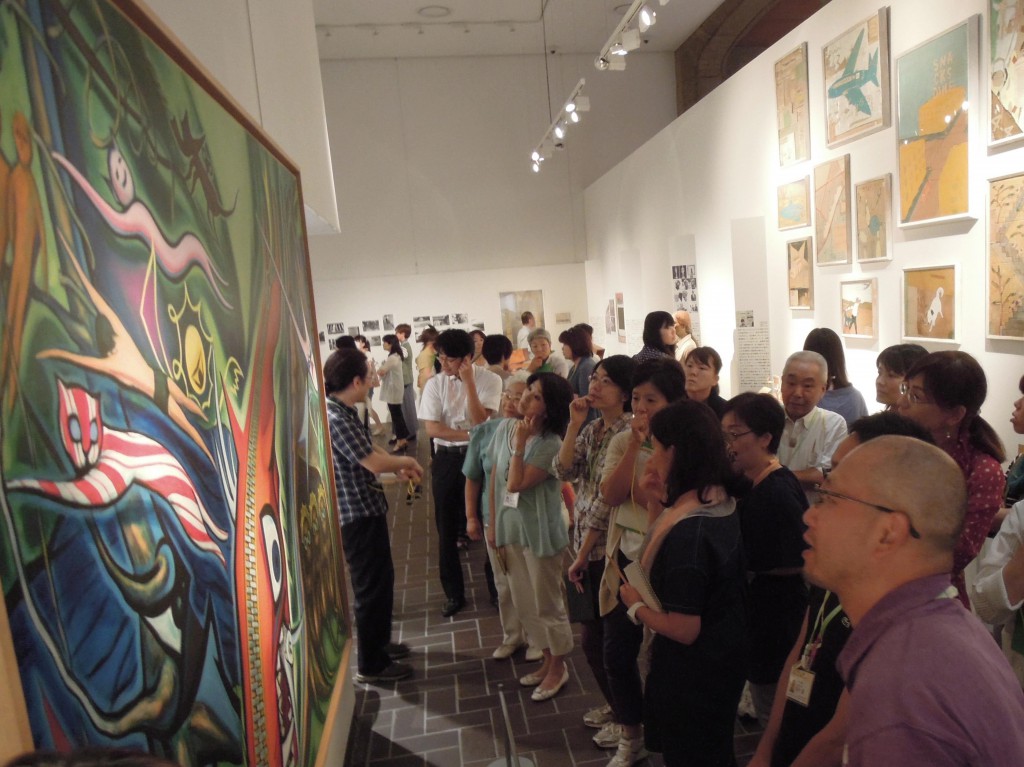
The third piece viewed was the “Rules of the Forest” by Taro Okamoto, which is displayed at a current TOBI exhibition called “The Story of Tokyo Metropolitan Museum.” After viewing the piece on a screen, the TOBIKOs moved to the exhibition room and viewed the actually viewed the original. It seems like there were many discoveries separate from the screen viewing, and various opinions came out during the opinion-sharing discussion afterwards.
The VTS was developed in America, but since the land is so vast, there are many people who are unable to go to museums. An art viewing method that was created in this sort of situation utilizes slides and projects pieces on screens as participants did this time. There are many things that can be done with slides, but they realized one can view art in much greater depth when in front of the actual object.
After experiencing VTS, there was a more detailed summarization, including specific methods.
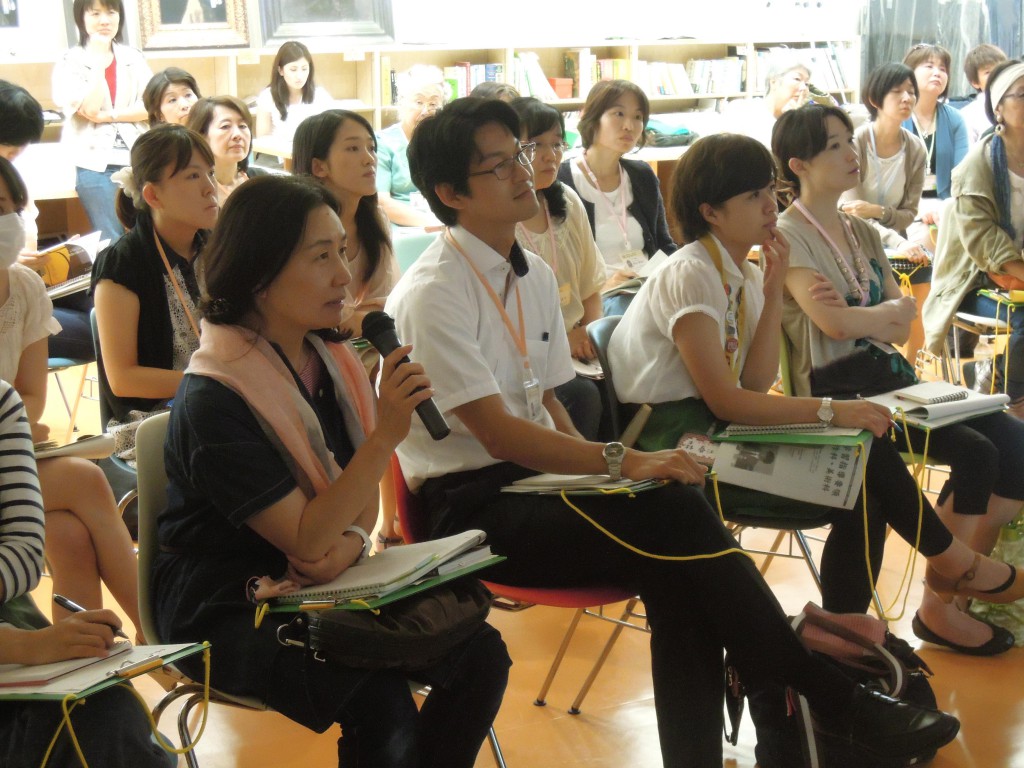
he key to VTS is the art viewing facilitators. They ask questions of the viewers and create a nice flow of discussion to prompt the sharing of opinions. For example, when the viewers are children, there are times that their language is insufficient to convey what they want to say. Understanding the true meaning of statements and paraphrasing them enables opinion-sharing with others. Also, one of the most important things facilitators do is they “stay neutral.” The VTS focuses on the process of “learning to think” rather than on one “correct answer.” The facilitators are required to treat each opinion raised as a possibility, rather than deciding it to be a conclusion. It is important for the viewers to express their opinions, and develop them to think about the art piece individually. Moreover, there is no organizing or summarizing of opinions at the end of viewings. You might think that this would produce some vagueness, but by verbalizing one’s own opinions objectively under a facilitator’s lead, the visitors will recognize and be receptive to others’ opinions and have a desire to generate meaning from what one is seeing at the moment. Essentially, this develops within the viewer the intrinsic thoughts of wanting to “know” and “understand” on their own. Moreover, if these spontaneous thoughts get stronger, instead of throwing vague questions at others to seek answers, the “ability to continue thinking independently” will grow.
Art is a difficult field to verbalize, but listening to others’ thoughts and the satisfying feeling of verbalizing one’s own thoughts and sharing them will nurture abilities like continuing to think and learn as well as observe. Also, the ability to communicate will develop. At the end of the Course, the participants formed groups of 3 and shared issues such as the Course experience and their opinions.
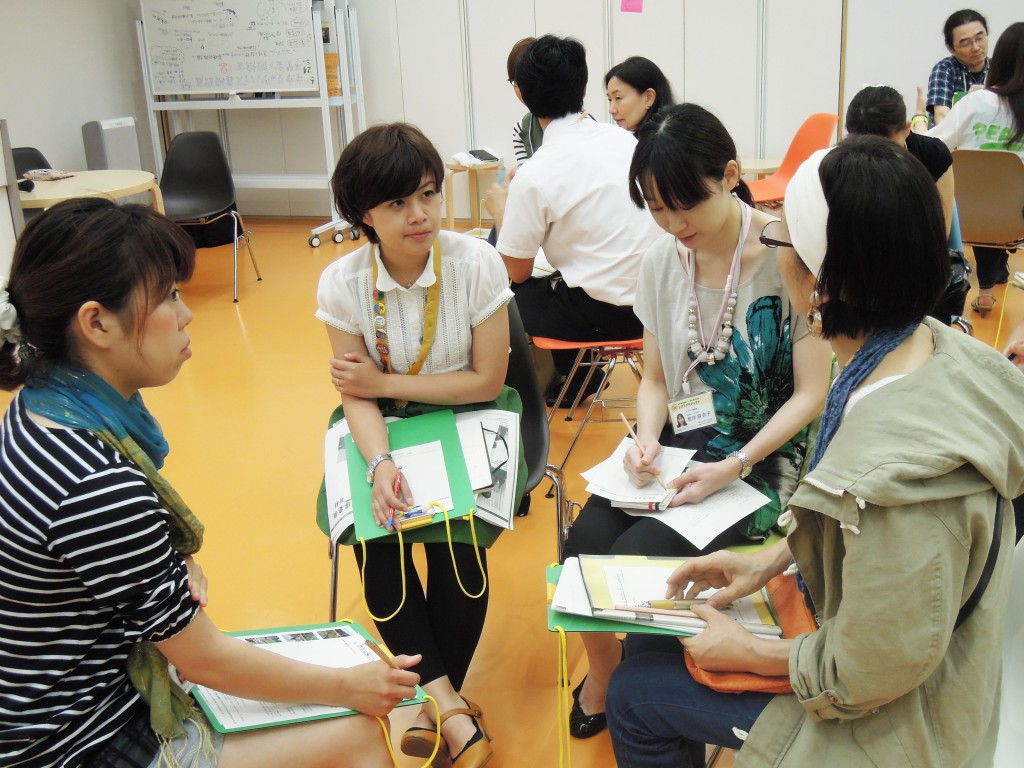
After the 14th Course, the TOBIKOs will have actual discussions with children. There will probably be many students that have never been to a museum. I am already looking forward to the day that the TOBIRAs spend fulfilling time with children by playing an active role as facilitators for art viewing through discussions. (Iku Ōtani , TOBI Gateway Project Assistant)
2012.07.13
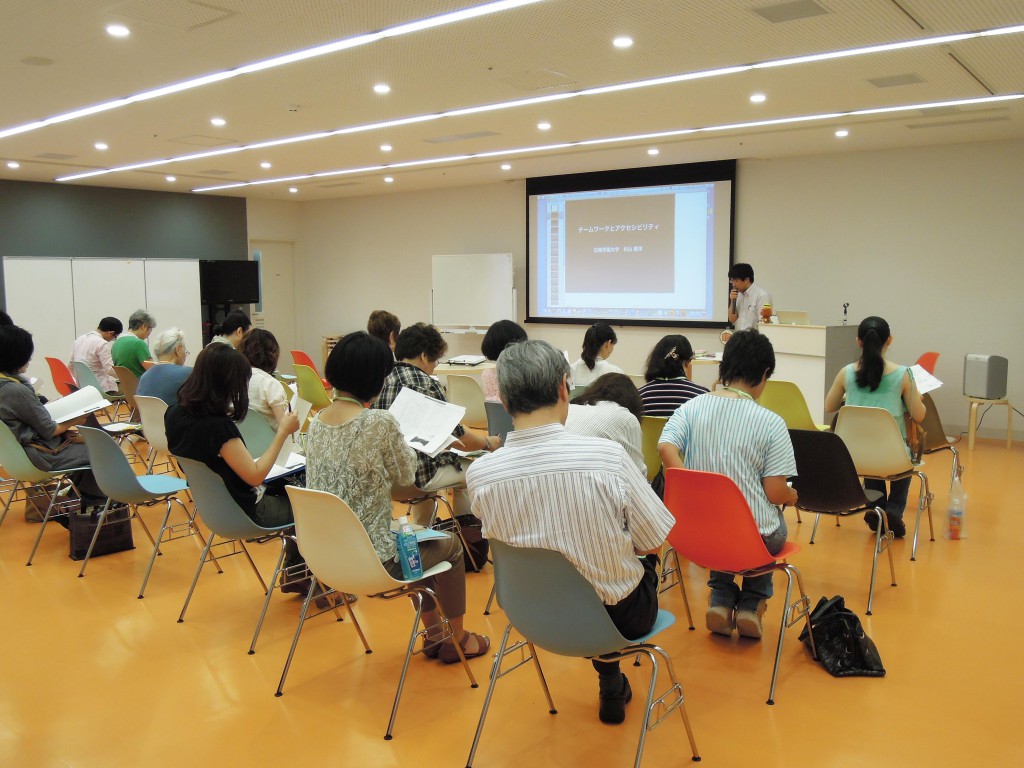
We welcomed Mr. Takahiro Sugiyama, an Associate Professor from Shiraume Gakuen University, who conducted the 2nd Access Program (Supporting Special Art Viewing for the Disabled) Practical Application Course with the theme “Teamwork and Accessibility.”
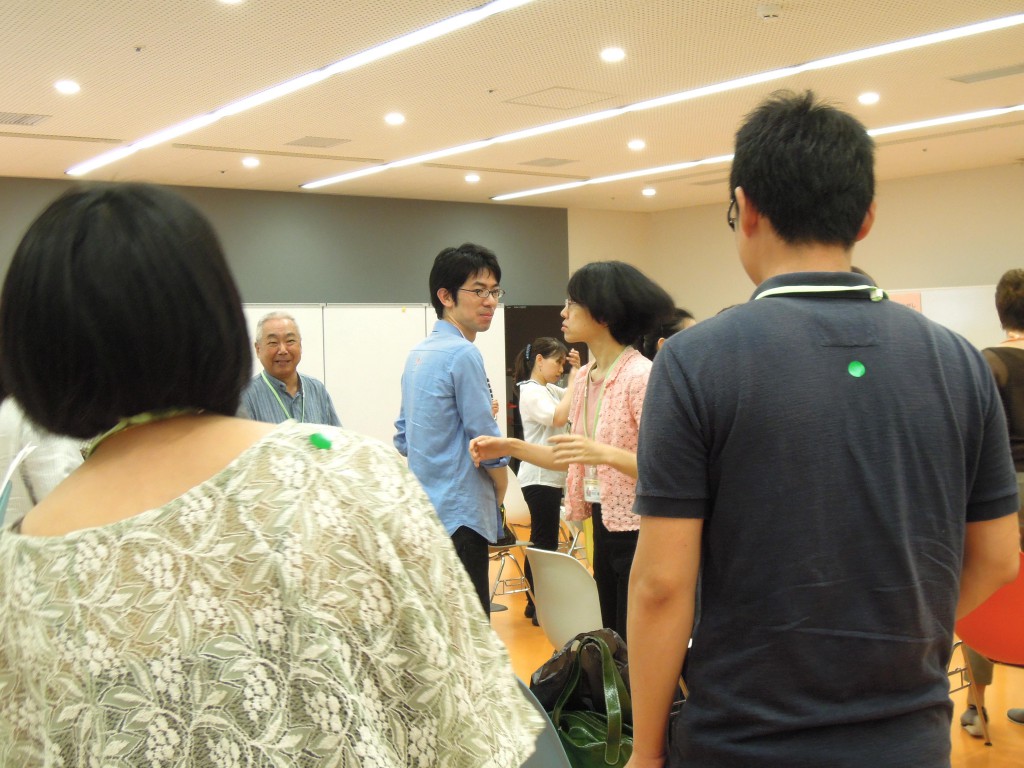
Attendees started by forming groups. However, group formation was done in the workshop format. Staff members put one of seven color stickers on the backs of the TOBIRA candidates (hereinforth: TOBIKO). The TOBIKOs did not know the color of the sticker on their back. Once stickers were placed on everyone’s back, they moved around so that the groups of the same color would be formed without saying anything, just by seeing each other’s reactions or by giving cues to the surrounding TOBIKOs through gesturing. When the groups were formed, each group lined up and sat down. As a result of this seemingly simple exercise, there was already an ambiance of rapport amongst one another by the time groups were formed. I was impressed that a little creative step introduced a foundation of teamwork.
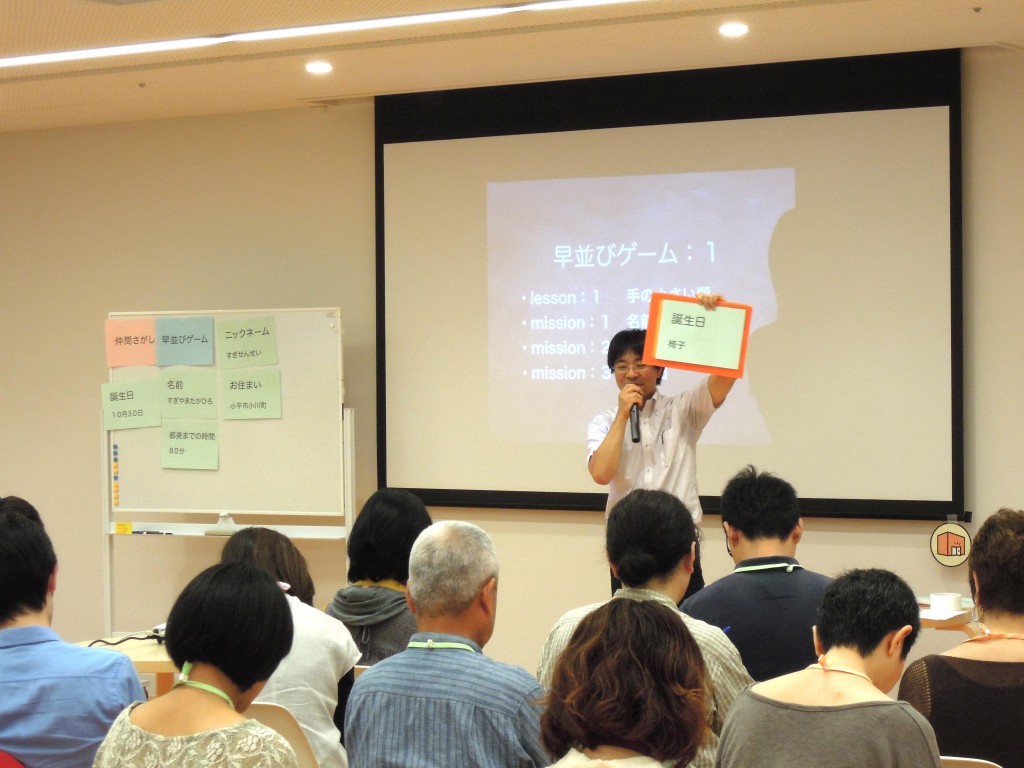
Next, they played “quick line-up games” against the other groups. The first one was the “Order of Smallest Hands” – where the TOBIKOs re-lined up in this order. Everyone sat down together as soon as they finished lining up as a group. After that came “[Line Up in] Alphabetical Order by Name“and “[Line Up in] Order of Commute Time from Home to the Tokyo Metropolitan Art Museum.” In actuality, this exercise is a method for participants to introduce themselves naturally in a game-like manner.
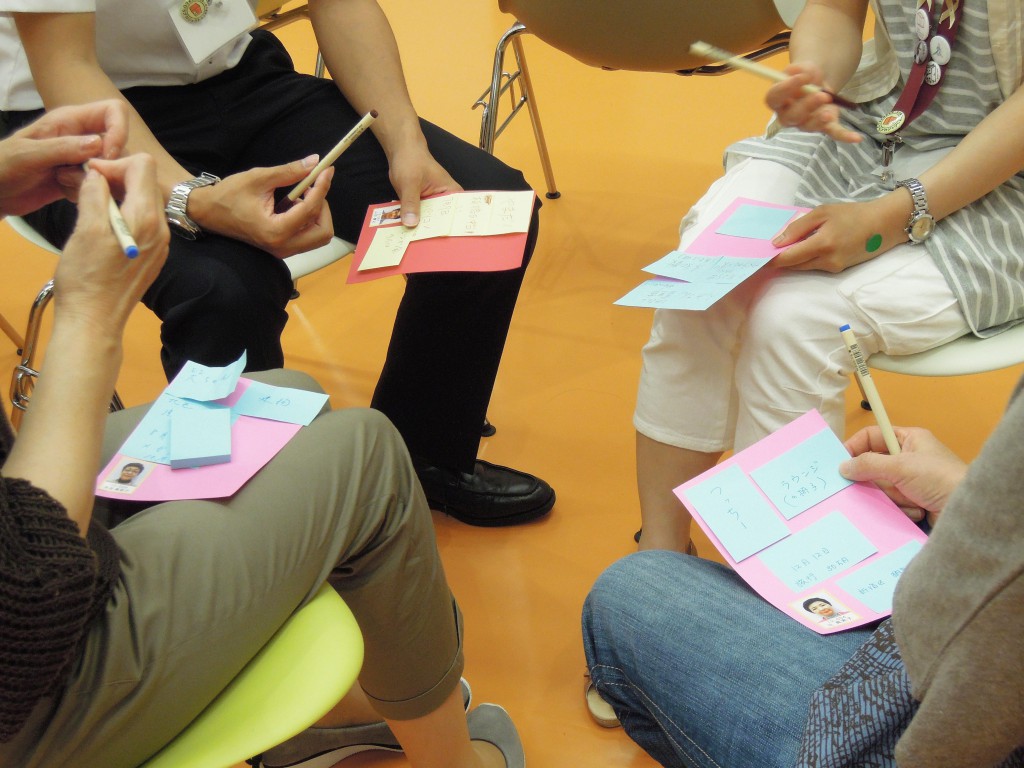
Participants created a self-introduction card by filling out the answers from each game in the sheet that had been previously distributed (with each individual’s headshot). Experiencing the workshop method of teamwork creation was really fun, and these experiences may be useful for future collaboration events with elementary schools and other groups.
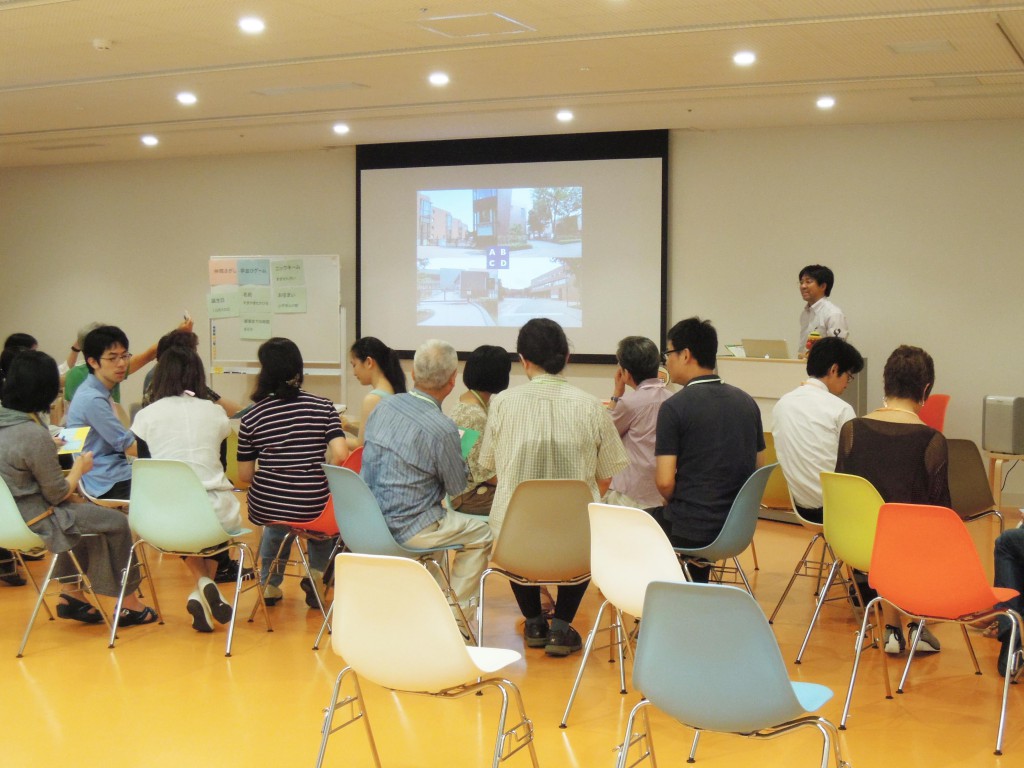
Then, TOBIKOs played the “Tokyo Metropolitan Museum Quiz.” We were given a question at once. “The four photos projected on the screen are all entrances to the Tokyo Metropolitan Museum. Put entrances A, B, C, and D in the order of North, East, Main, and Receiving entrances.” People raised their hands to answer as they solved the problem. The second question was quite challenging: “Put the photos of exhibition rooms without any exhibits in order from entrance to the exit.” The third question was to put the currently-exhibited paintings from the Royal Picture Gallery Mauritshuis in order from entrance to the exit. All of this information is a requirement for supporting the Special Art Viewing for the Disabled, but when you learn it using this method, your motivation for learning will increase. As for the results of these answers, the TOBIKOs, who are indeed familiar with the Tokyo Metropolitan Art Museum, answered them quickly and correctly, as expected.
For the latter half, Professor Sugiyama gave a lecture including specific precautions about implementing the “Special Art Viewing for the Disabled,” with “accessibility” as the key word.
This “accessibility” is a word indicating convenience; basically the same as terms like “barrier-free” or “universal design.” However, “barrier-free” and “universal design” have meanings associated with buildings. On the other hand, “accessibility” gives independence to those accessing. The Tokyo Metropolitan Art Museum is barrier-free, but not all conveniences are provided. Here, the most important thing is to have people watching attentively.
Therefore, the role of TOBIKOs in the next “Special Art Viewing for the Disabled” is to provide a safe and secure environment for all visitors, which is the most important thing. Beyond that, it was said that creativity is required for the visitors to have a more meaningful time. In addition, they were warned not to let our “support” become too “invasive” due to the feeling that one has to do something for the disabled visitors. It is especially important to not engage the name of the visitor’s disability, but give them support on the issue that is giving them difficulty in that situation.
I got to talk in advance with Professor Sugiyama a lot about the structure of the next Special Art Viewing for the Disabled. Unfortunately, there is a limit in the possible range of care when there is a large group of disabled people to support with only a small number of TOBIRA staff. Therefore, based on allowing the visitors to subjectively view works with assistance of caregivers, along with the TOBIKOs, I want to be creative by thinking “What we should do?” in order to provide a the best viewing experience. (Tatsuya Itō, TOBI Gateway Project Manager)
2012.07.05
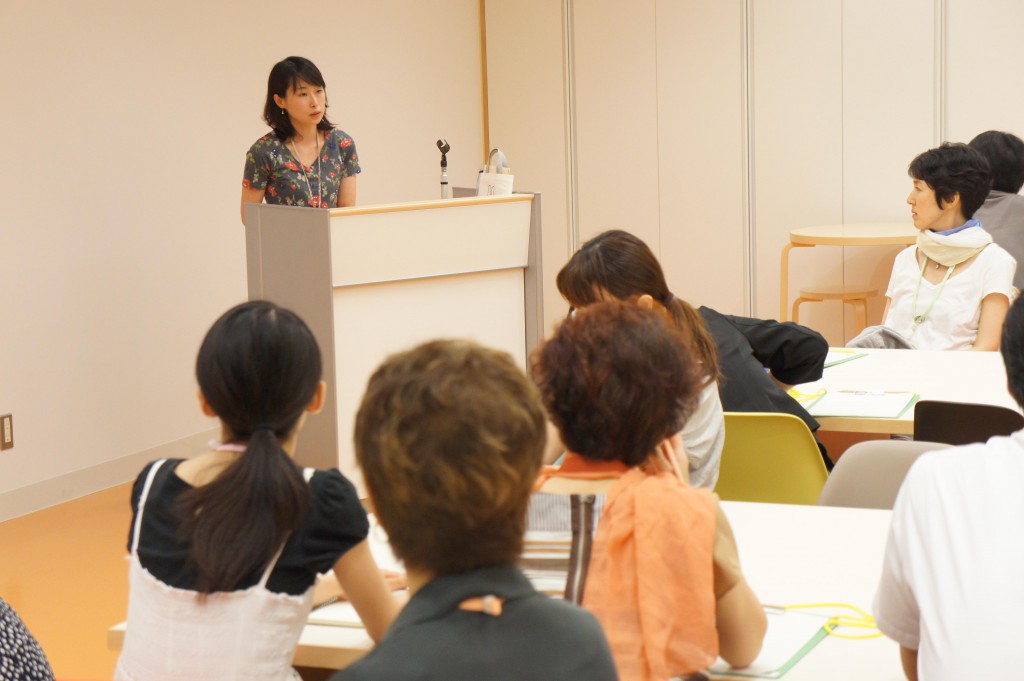
The Access Program (Special Show Supporting Those with Disabilities) Practical Course has begun. The first Special Show (Mauritshuis Gallery exhibition) is scheduled for August 27th (Monday). This time, the instructor is the curator, Ms. Ōhashi, who is also the supervising curator of the Mauritshuis Gallery exhibition. At first, she explained such things as manners within the exhibition hall and an overview of the Access Program Practical Course that is starting now.
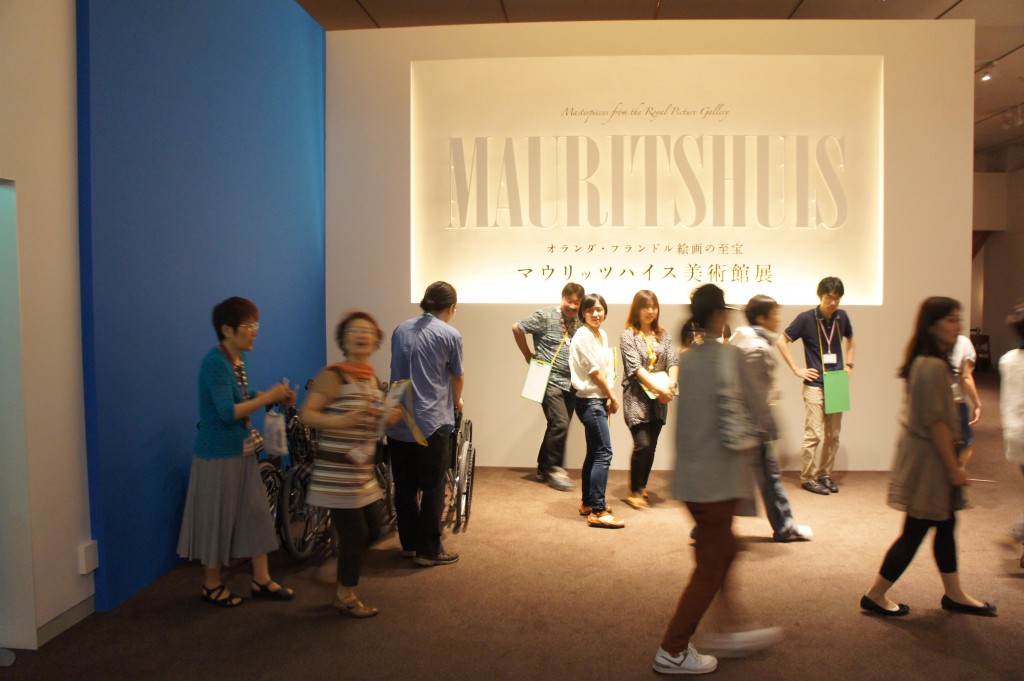
The Museum is closed today (Monday). The Practical Course proceeded in an empty exhibition hall. Initially, while confirming the route, Ms. Ohashi explained the works to us.
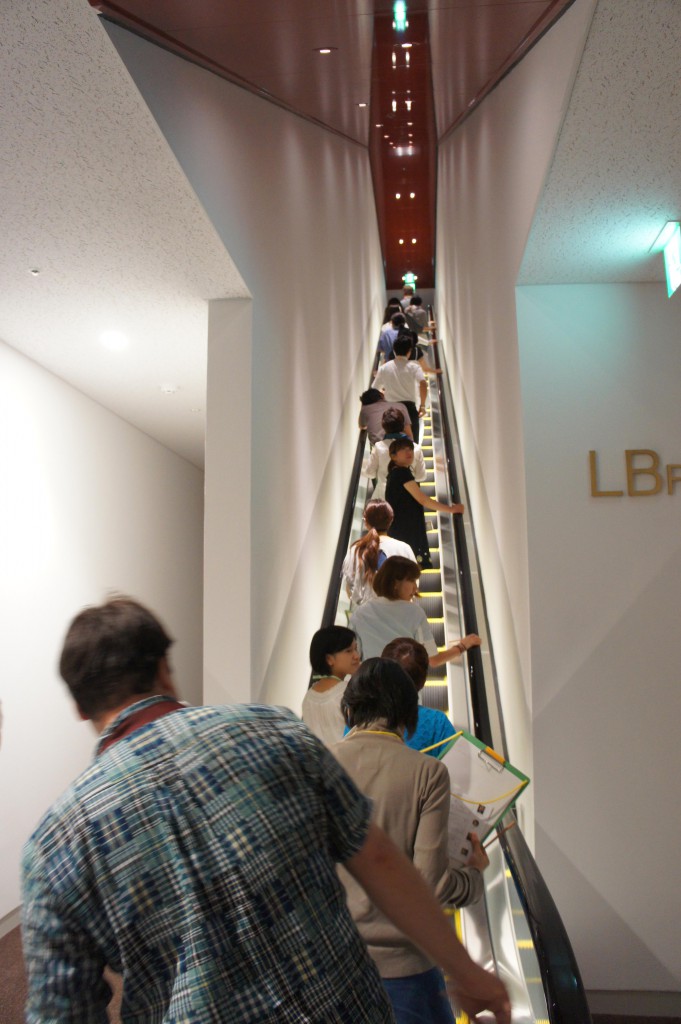
There is a long escalator in the exhibition hall. The building is normally packed and people usually have to wait 1-2 hours to enter. But it is deserted today.
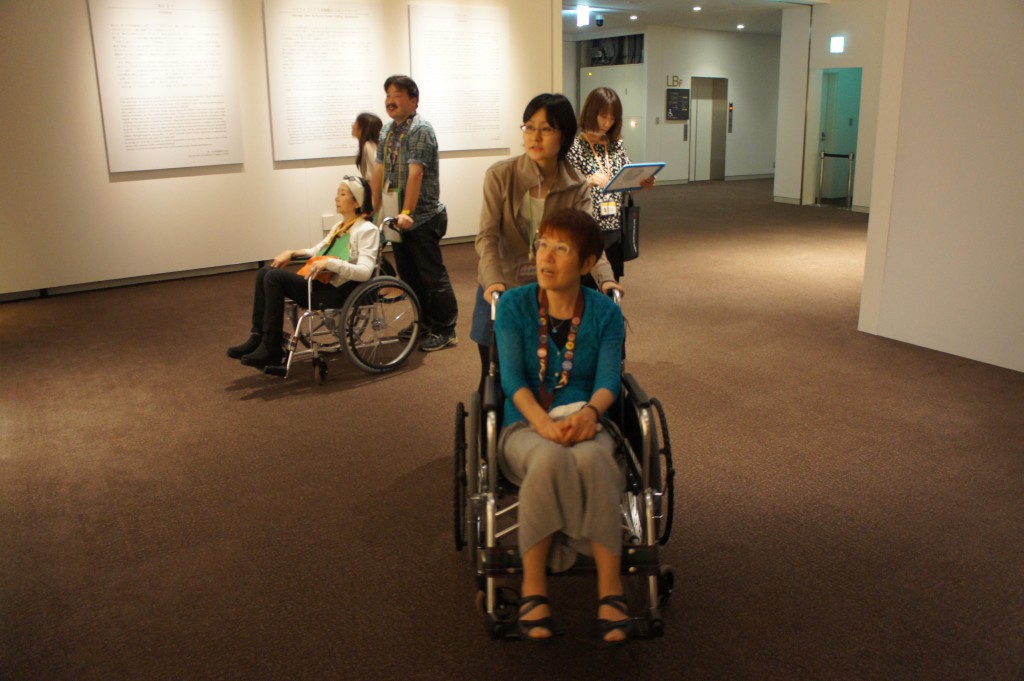
After confirming the route by walking the entire length once, we paired off and took in the works by wheelchair. We experienced for ourselves how we should navigate the exhibition space in a wheelchair and from what distance we could get a good view of the art work. When there are multiple wheelchairs in the exhibition hall, it feels smaller than usual. Since there will probably also be visually impaired visitors, it is important to understand the space.
Today we foresee a lot of visitors with disabilities coming to the Museum. The Access Program will grow through the combined results of many different efforts. (Project Manager: Tatsuya Itō)
とびらプロジェクトってなに?
活動紹介
アーカイブ
お知らせ・募集
インタビュー
メールマガジンのご登録をご希望の方は、下記のメールアドレスをクリックしてください。
▼登録用メールアドレス
zine-tobira@tobira-project.info
クリックすると、お使いのメールアプリが起動します。
件名を登録希望として空メールを送信してください。
メールの送信をもって、とびらプロジェクトメールマガジンの登録完了となります。
皆さまのご登録をお待ちしております。



〒110-0007
東京都台東区上野公園8-36
東京都美術館交流棟2F プロジェクトルーム
TEL : 03-3823-6921(東京都美術館 代表)
メールアドレス : q-tobira (at) tobira-project.info
(at)を@にしてメールを送信してください。


Copyright © TOBIRA Project. All rights reserved.